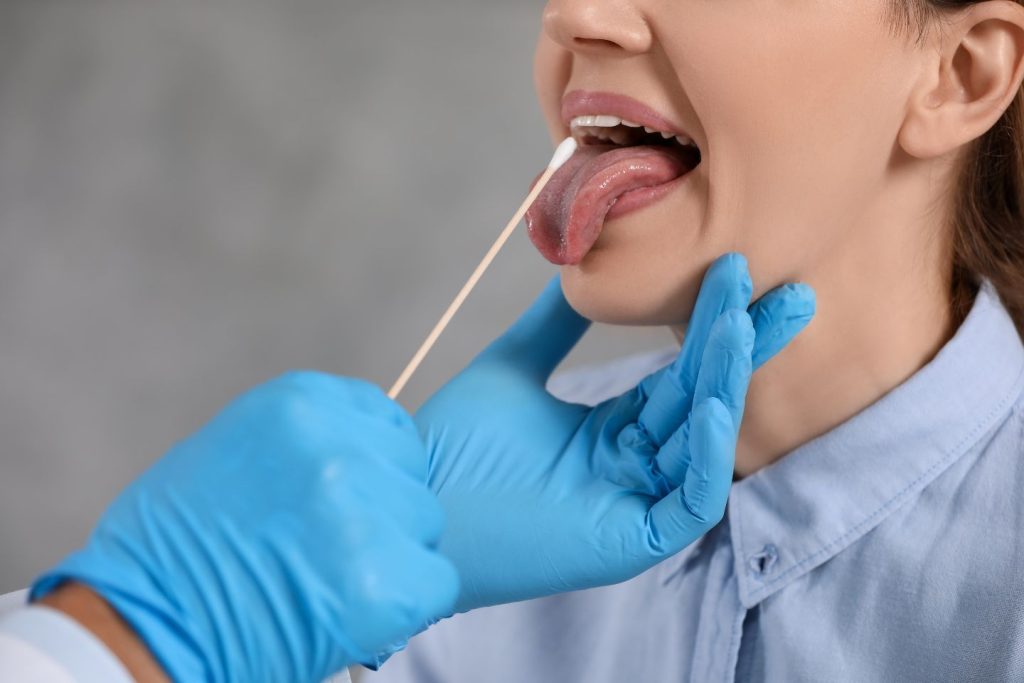
The Oral Microbiome: A Key Regulator of Systemic Health
In the field of orosystemic medicine, a fundamental truth is emerging with increasing clarity: the mouth is not an isolated entity, but a vital crossroads that profoundly influences our body’s general health. At the center of this connection lies the oral microbiome, a complex and dynamic community of bacteria, fungi, and viruses residing in our oral cavity. Understanding its role is crucial for a holistic approach to health.
The Mouth as a Mirror of General Health
The cornerstone principle of orosystemic medicine is that the oral cavity acts as a primary entry point for numerous microorganisms and a sensitive indicator of systemic health status. When the balance of this delicate microbial ecosystem is disrupted—a condition known as oral dysbiosis—the consequences can extend far beyond the mouth. Research has shown that oral dysbiosis is not only implicated in common oral pathologies like dental caries and periodontitis but is also firmly linked to a wide range of systemic diseases.
Deep Connections: From the Microbiome to Systemic Diseases
Current scientific evidence highlights an undeniable link between poor oral health, particularly severe periodontal disease, and an elevated risk of major systemic conditions. Notable among these are cardiovascular diseases, type 2 diabetes, adverse pregnancy outcomes (such as premature birth and low birth weight), respiratory diseases, and various autoimmune disorders. Some data even suggest that oral pathogens can trigger up to 50% of heart attacks.
But how does this influence occur? The mechanisms are multiple and complex. Oral dysbiosis can induce systemic inflammation, endothelial dysfunction (damage to the inner lining of blood vessels), and complex immune modulation. A key mechanism is hematogenous dissemination, which is the spread of oral pathogens through the bloodstream, triggering widespread inflammatory signaling throughout the body and contributing to systemic pathologies.
Specific bacteria, such as Porphyromonas gingivalis (P. gingivalis), along with other bacteria of the “Red Complex,” are known to directly influence cardiovascular health and have even been implicated in Alzheimer’s disease and certain types of cancer. Groundbreaking research has revealed how P. gingivalis exploits a protein called CD47 to suppress host immune responses, allowing it to persist in inflamed tissues and contributing to the development of these systemic diseases.
New Therapeutic Horizons and Integrated Approaches
The growing understanding of the oral microbiome’s systemic impact is paving the way for new therapeutic strategies. Significant potential exists for interventions specifically targeting the oral microbiota to mitigate systemic diseases, promoting true integration between dentistry and medicine. For example, research suggests that blocking CD47 or its ligand, thrombospondin-1, could represent an innovative approach to improve bacterial clearance, benefiting both periodontal and general systemic health.
Furthermore, clinical evidence demonstrates that effective periodontal treatment produces significant benefits for systemic health. For instance, periodontal therapy can lead to a measurable improvement in glycemic control in patients with type 2 diabetes by reducing HbA1c levels. Treating periodontal disease can also decrease systemic inflammatory mediators in the blood and favorably alter lipid profiles, leading to positive changes in various surrogate markers for cardiovascular disease.
The Future of Orosystemic Health
Investing in oral health means investing in your long-term well-being. The personalized and integrated approach of orosystemic medicine, which views every patient in their uniqueness and complexity, is fundamental for proactively preventing and managing systemic complications.
The future of healthcare is moving toward integrated and interprofessional care models, where oral health is recognized as an essential component of primary care. This requires closer collaboration between dentists and physicians, and an increasing focus on health literacy to enable patients to take a more active role in managing their oral and systemic health.
Understanding and acting on the oral microbiome is a crucial step toward a future where disease prevention and treatment are not limited to individual organs but embrace the health of the whole person.
Want to learn more? Contact us